


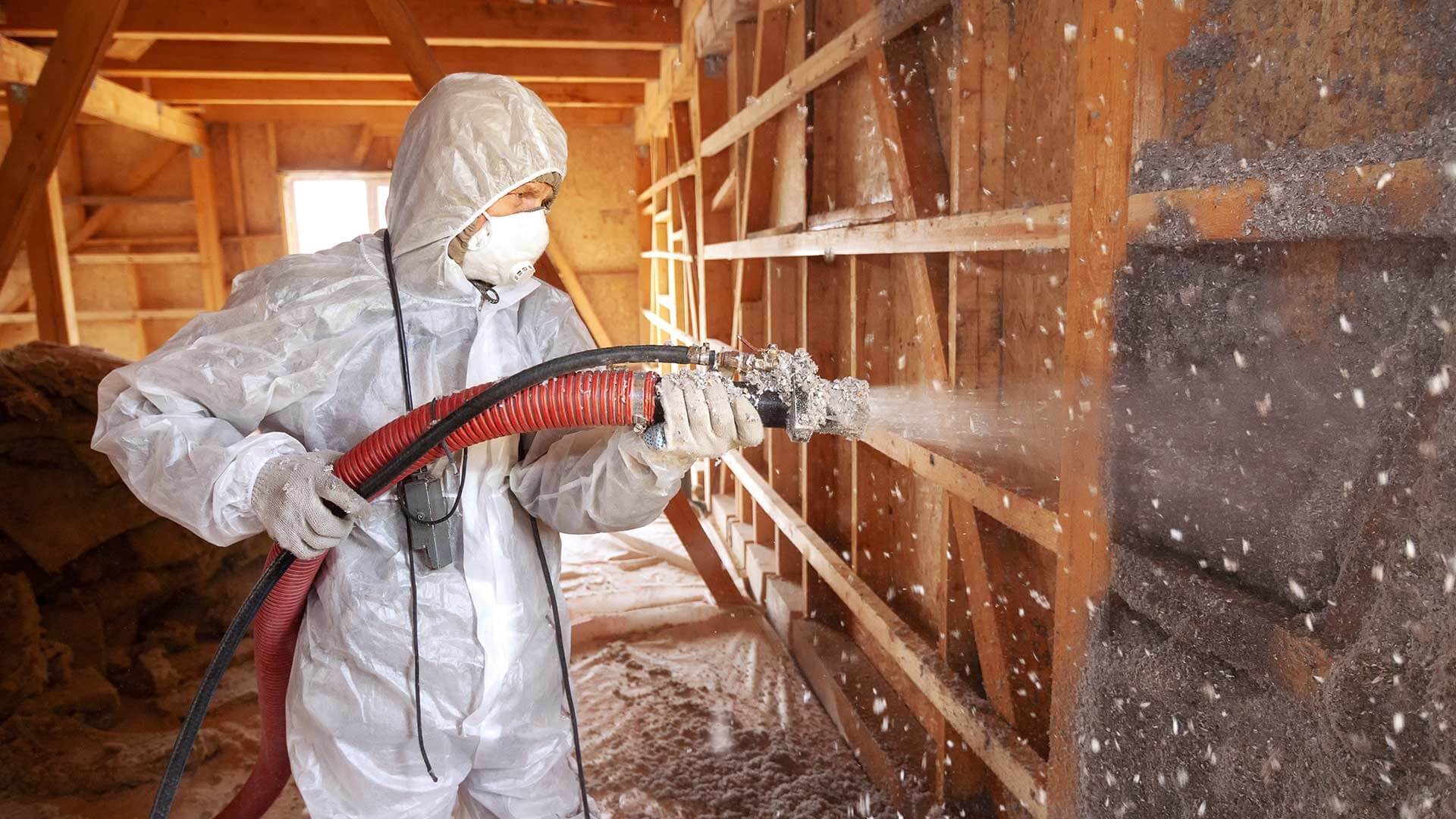
Benefits of Insulation
The most efficient technique to increase a building's energy efficiency, whether it be residential or commercial, is to insulate it. Insulators are made of different materials and qualities, but generally good insulators consist of products that have a structure like wool, that trap tiny pockets of air.
The insulation of your building keeps heat in during the cold seasons and out during the warms seasons of the year to improve your home or business comfort and conserve energy.
Insulation prevents heat from escaping by limiting the amount of heat arriving in the summer and departing in the winter which can improve the comfort of your place.
You may greatly lower your heating and cooling costs and contribute to the reduction of greenhouse gas emissions by insulating your home. Insulation that has a higher R-value slows heat flow more and performs better overall.
Recommended Insulation Solutions
- Wall Insulation
- Roof Insulation
- Window & Door Insulation
- Floor Insulation
- Roof Insulation
- Window & Door Insulation
- Underfloor Insulation
- Double Glazing
- Ceiling Insulation
- Draught Sealing


Quality Service

Certified Technicians
